


Standard Specification for Slope Stabilisation Using Vetiver Grass: A New Guide for Sustainable Infrastructure
- Daniel Londono
- Feb 12
- 4 min read

When it comes to protecting our landscapes and infrastructure from the relentless forces of erosion and slope instability, nature often holds the best solutions. One such solution, Vetiver Grass Technology (VGT), has been gaining recognition worldwide for its remarkable ability to stabilise slopes and prevent soil erosion. Now, with the release of the Standard Specification for Slope Stabilization Using Vetiver Grass, authored by Dr. Mohammad Shariful Islam and presented by The Vetiver Network International, we have a comprehensive, practical guide that can transform how we approach slope stabilization.
This guide is more than just a technical manual. It is a bridge between research and real-world application, designed to empower engineers, policymakers, project managers, and even community leaders to implement Vetiver-based solutions confidently and effectively. Let me take you through why this guide is a game-changer and how it can help build a more resilient future.
Why Vetiver Grass Technology Matters for Slope Stabilisation
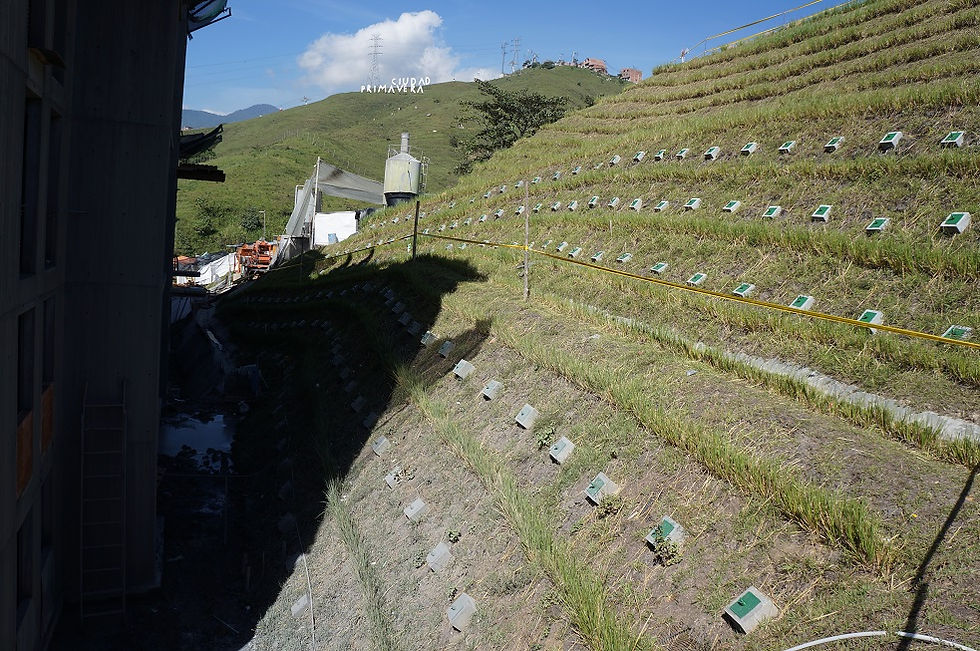
Vetiver grass is not your ordinary plant. Its deep, strong root system can penetrate up to 3-4 metres into the soil, creating a natural barrier that holds the earth firmly in place. This makes it an ideal candidate for stabilising slopes, especially in regions prone to heavy rainfall, landslides, or soil erosion.
The new standard specification provides a detailed review of vetiver’s suitability for various environments. It explains how this grass can be used to protect critical infrastructure such as roads, embankments, and riverbanks. What makes Vetiver Grass Technology stand out is its cost-effectiveness and environmental friendliness. Unlike concrete or steel reinforcements, vetiver is a living system that improves soil health, supports biodiversity, and requires minimal maintenance once established.

This guide is particularly timely as climate change increases the frequency and intensity of extreme weather events. Governments and businesses need reliable, sustainable methods to safeguard infrastructure and communities. Vetiver grass offers a nature-based solution that aligns perfectly with these goals.
Key Features of the Standard Specification Guide
Dr. Islam’s guide is a treasure trove of knowledge, combining scientific research with practical field experience. Here are some of the standout features that make this document invaluable:
Standardised Methodologies: The guide proposes clear, replicable methods for designing and implementing vetiver systems. This standardisation helps ensure consistent results across different projects and regions.
Propagation Techniques: It covers the best practices for growing and propagating vetiver grass, including nursery management and planting strategies tailored to various soil and climate conditions.
Design and Implementation Guidance: Detailed instructions on how to plan, layout, and install vetiver hedges on slopes, including spacing, alignment, and integration with other engineering measures.
Maintenance Protocols: Practical advice on how to care for vetiver plantations to maintain their effectiveness over time, including watering, pruning, and pest management.
Monitoring and Evaluation: For projects where monitoring is essential, the guide outlines protocols to assess the performance of vetiver systems and make necessary adjustments.
This comprehensive approach means that whether you are managing a large infrastructure project or a community-based erosion control initiative, you have a reliable reference to guide your decisions.
How to Apply Vetiver Grass Technology in Your Projects
Implementing Vetiver Grass Technology might seem straightforward, but success depends on following best practices. Here’s a step-by-step overview based on the guide’s recommendations:
Site Assessment: Evaluate the slope’s characteristics, soil type, climate, and erosion risks. This helps determine the suitability of vetiver and the design parameters.
Design Planning: Decide on the number of vetiver hedges, their spacing, and layout. The guide provides formulas and examples to calculate these based on slope gradient and soil conditions.
Propagation and Planting: Use healthy vetiver slips or seedlings from a reliable nursery. Plant them in rows along contour lines to maximize soil retention.
Establishment Phase: Ensure adequate watering and protection from grazing animals during the initial growth period.
Maintenance: Regularly prune the grass to encourage dense growth and remove any weeds competing for nutrients.
Monitoring: Track the system’s performance, especially after heavy rains, to identify any weak points or areas needing reinforcement.
By following these steps, you can harness the full potential of vetiver grass to protect slopes and infrastructure effectively.
The Broader Impact: Promoting Sustainable and Resilient Infrastructure
What excites me most about this guide is its potential to promote wider acceptance of Vetiver Grass Technology as a mainstream solution. Too often, nature-based methods are overlooked in favour of expensive, resource-intensive engineering. This document helps change that narrative by providing a standardised, scientifically backed framework that professionals can trust.
For governments and regional councils, adopting vetiver-based solutions can mean significant cost savings and reduced environmental impact. For businesses, it offers a way to demonstrate corporate responsibility and commitment to sustainability. And for communities, it provides a practical tool to protect their homes and livelihoods from erosion and landslides.
The guide also encourages collaboration between different stakeholders, fostering knowledge sharing and capacity building. This is crucial for scaling up the use of Vetiver Grass Technology across Australia and beyond.
Embracing a Greener Future with Vetiver Grass Technology
As someone deeply invested in sustainable solutions, I see the release of this standard specification as a milestone. It aligns perfectly with Vetiverse’s mission to become a leading provider of nature-based solutions across Australia. By helping protect landscapes and infrastructure with Vetiver Grass Technology, we can build a future that is not only resilient but also harmonious with the environment.
If you are involved in managing slopes, infrastructure, or environmental projects, I encourage you to explore this guide. It is a valuable resource that can enhance your work and contribute to a more sustainable world.
For more information and to access the full guide, visit The Vetiver Network International.
Together, we can harness the power of nature to safeguard our future.
Vetiver grass is more than just a plant - it’s a powerful ally in the fight against erosion and slope instability. With the right knowledge and tools, we can make our landscapes safer and more sustainable for generations to come.


Comments