

Applying Nature's Intelligence: How the Vetiver System a Natural Based Solution (NbS) Transforms Landscapes and Communities


Soil erosion, water degradation, and damaged infrastructure threaten ecosystems and communities worldwide. Traditional engineering solutions often fall short or come with high costs and environmental trade-offs. The Vetiver System offers a Nature-Based Solution (NbS) approach that addresses these challenges by using a resilient plant species to protect and restore landscapes. This method not only controls erosion but also improves soil and water health, cleans contaminated sites, and safeguards infrastructure. Across Australia and beyond, the Vetiver System is proving to be a practical and sustainable solution that builds long-term resilience for communities.
What Is the Vetiver System?
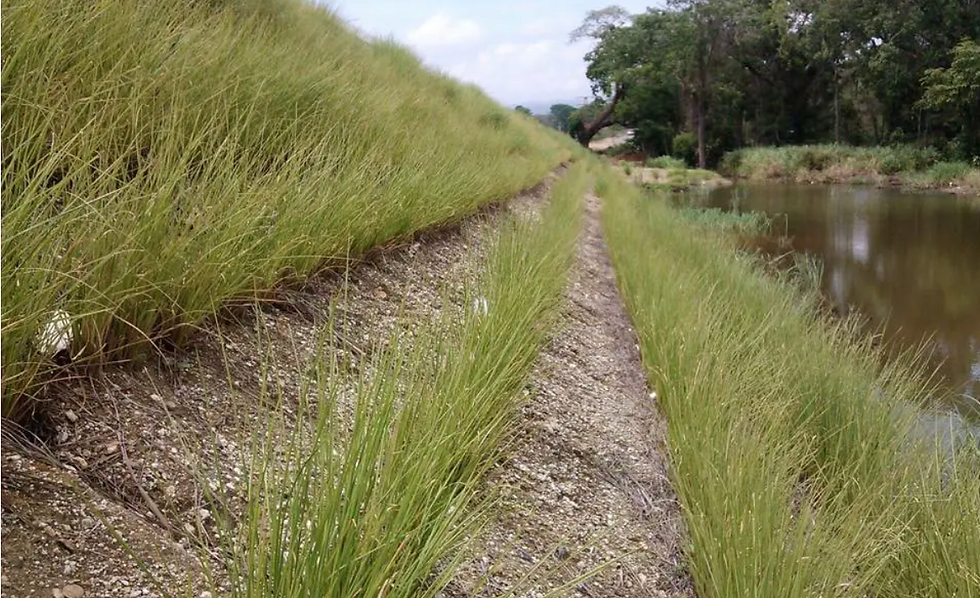
The Vetiver System uses vetiver grass (Chrysopogon zizanioides), a tough, deep-rooted plant native to India, to stabilise soil and manage water. The grass grows in dense hedgerows that act as natural barriers on slopes, riverbanks, and construction sites. These hedgerows slow down water flow, trap sediment, and prevent soil from washing away.
Vetiver grass thrives in harsh conditions, tolerating drought, heavy rainfall, poor soils, and even some pollution. Its roots can grow down more than 3 meters, anchoring soil firmly and improving soil structure. This makes it ideal for erosion control and land rehabilitation.
How Vetiver Controls Erosion and Protects Soil
Erosion happens when wind or water removes the topsoil, which is vital for plant growth and ecosystem health. The Vetiver System reduces erosion by:
Slowing water runoff: The thick vetiver hedges break the speed of flowing water, reducing its ability to carry soil away.
Trapping sediment: As water slows, soil particles settle on the hedges, rebuilding the land naturally.
Strengthening soil: Vetiver roots bind soil particles tightly, making the ground more stable and less prone to landslides or washouts.
For example, in parts of Queensland, farmers have planted vetiver along contour lines on steep paddocks. This practice has cut soil loss by over 70%, improved pasture growth, and reduced the need for costly earthworks.
Improving Soil and Water Health with Vetiver
Vetiver grass does more than just hold soil in place. It also enhances soil and water quality:
Increasing organic matter: As vetiver leaves and roots decompose, they add nutrients and organic material to the soil.
Enhancing water infiltration: The root system creates channels that help rainwater soak into the ground, reducing surface runoff and recharging groundwater.
Filtering pollutants: Vetiver can absorb heavy metals and chemicals from water, making it useful for cleaning contaminated sites.
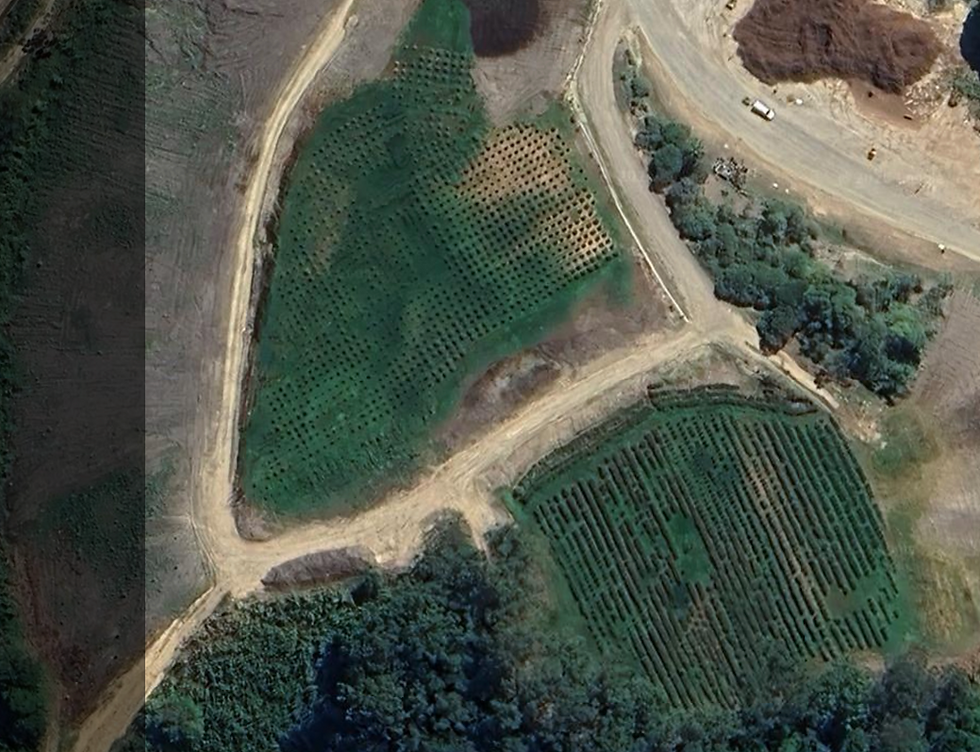
In Western Australia and Queensland, vetiver has been used to rehabilitate mining sites. The grass helped stabilize tailings dams and filtered runoff water, reducing pollution entering nearby waterways.
Vetiver for Phytoremediation
Phytoremediation means using plants to clean up polluted soils and water. Vetiver is especially effective because it can tolerate and absorb toxic substances such as heavy metals, pesticides, and industrial waste.
Communities near industrial areas have planted vetiver to reduce contamination risks. For instance, in New South Wales, vetiver hedges around agricultural fields have lowered pesticide runoff into streams, protecting aquatic life and drinking water sources.
Protecting Infrastructure with Vetiver
Roads, bridges, and buildings often suffer damage from erosion and flooding. The Vetiver System offers a low-cost way to protect these assets:
Road embankments: Vetiver roots stabilise slopes beside roads, preventing landslides and washouts.
Drainage channels: The grass slows water flow in drainage ditches, reducing erosion and sediment buildup.
Flood control: Vetiver hedges act as natural barriers that reduce flood velocity and protect vulnerable areas.
In Australia, local councils have planted vetiver along highway embankments. This has reduced maintenance costs by preventing soil loss and improving drainage.

Building Community Resilience
Beyond environmental benefits, the Vetiver System supports communities by:
Creating jobs: Growing and maintaining Vetiver hedges provides employment opportunities in rural areas.
Supporting agriculture: Healthier soils and water mean better crop yields and livestock conditions.
Encouraging local stewardship: Communities involved in vetiver projects develop stronger connections to their land and natural resources.
In Northern Australia, Indigenous groups have integrated Vetiver into land management practices. This has helped restore degraded areas while preserving cultural values and knowledge.

How to Implement the Vetiver System
Starting a Vetiver project involves several key steps:
Site assessment: Identify erosion-prone areas, water flow patterns, and soil conditions.
Plant selection: Use healthy vetiver slips from trusted nurseries.
Planting design: Arrange hedgerows along contour lines or vulnerable slopes.
Maintenance: Water young plants until established, control weeds, and replace damaged sections.
Monitoring: Track soil stability, vegetation growth, and water quality over time.
Local agricultural extension services and environmental groups often provide guidance and support for vetiver projects.
Challenges and Considerations
While the Vetiver System is effective, some challenges include:
Initial establishment: Vetiver requires care during the first few months to ensure survival.
Site suitability: Extremely saline or waterlogged soils may limit growth.
Planning and ongoing management are essential to maximise benefits and avoid unintended impacts.

Comments